Mastering Soft Skills: The New Benchmark for Seniority in Today’s Workplace
By WiseWorld

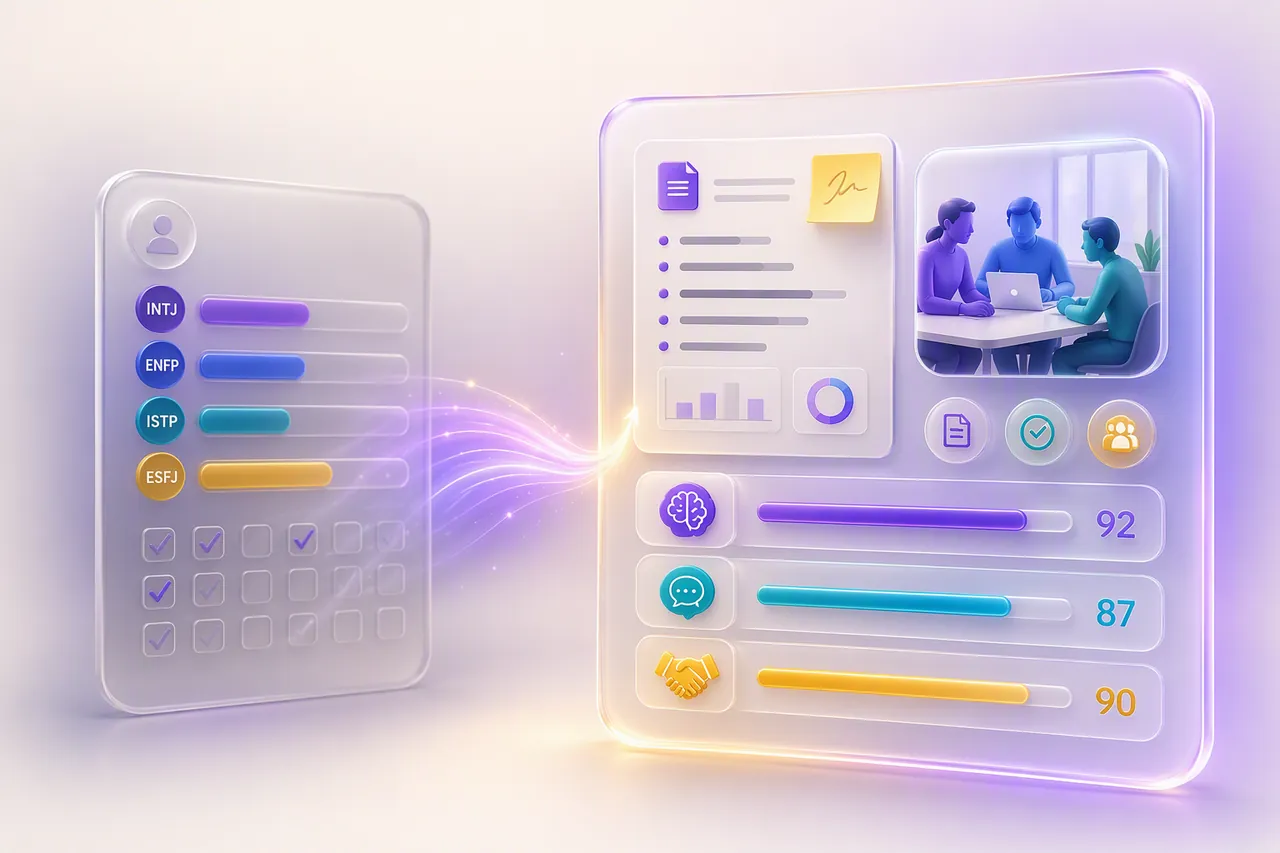
In today’s fast-paced business world, traditional markers of seniority like age and tenure are giving way to the mastery of soft skills. "Mastering Soft Skills: The New Benchmark for Seniority in Today’s Workplace" explores how attributes such as communication, emotional intelligence, and adaptability are now essential for leadership and career advancement across all generations. Highlighting the strengths of tech-savvy younger generations and the importance of generational synergy, the article underscores that experience and interpersonal abilities, rather than age, define true seniority. With insights on integrating soft skills with technological advancements and real-world case studies from leaders like Google and Microsoft, this piece demonstrates how fostering these essential skills drives organizational success and innovation in a competitive global market.
In today’s rapidly evolving business landscape, the traditional markers of seniority - such as age, years of experience, and technical expertise - are being redefined. The new paradigm places a premium on soft skills, emphasizing that leadership and organizational success now hinge more on interpersonal and cognitive abilities than on chronological age. This shift ensures that seniority is accessible to individuals across all generations, valuing experience and adaptability over tenure.
Why Are Soft Skills Crucial for Today's Leaders?
A recent survey by the Society for Human Resource Management (SHRM) revealed that 87% of employers consider soft skills to be as important or more important than technical skills when evaluating candidates. Additionally, a report by the World Economic Forum highlights that over 85% of employers believe that soft skills are crucial for the workforce of the future. These statistics underscore a growing recognition of the importance of communication, problem-solving, and leadership in bridging the skills gap across industries.
For instance, 46% of executives identify communication as a critical workforce requirement, emphasizing its role in fostering collaboration and achieving organizational objectives (Harvard Business Review, 2023). Moreover, strategic decision-making and adept problem-solving are increasingly linked with senior positions, highlighting the necessity for leaders who can address complex challenges with clarity and foresight.
Is Emotional Intelligence Redefining Senior Leadership?
According to a study by Deloitte, 57% of managers now view conflict resolution as a key skill for shaping future organizational success. This paradigm shift illustrates that robust soft skills not only accelerate career progression but also enhance the effectiveness and impact of leaders in senior roles.
Experience Over Age
Seniority is increasingly defined by practical experience and the ability to adapt rather than by age or the number of years spent in an organization. This approach ensures that leadership is accessible to talented individuals regardless of their generational cohort. Younger generations, such as Gen Z and Gen Alpha, bring valuable tech-native skills and fresh perspectives, complementing the experience of older employees and fostering a collaborative and innovative workplace.
Emotional Intelligence
In this evolved framework, seniority is characterized by one’s capacity to inspire and manage others. Leaders who excel in emotional intelligence, adaptability, and resilience are better equipped to handle the subtleties of human interactions, rendering them invaluable to their organizations. The Talent Smart Emotional Intelligence Appraisal reports that individuals with high emotional intelligence earn an average of 29% higher salaries than their peers, further validating the importance of these skills in senior roles.
Generational Synergy and Soft Skills
As the workforce becomes increasingly diverse in age, understanding generational differences is crucial for effective leadership. The new wave of managers will predominantly come from Generation Z and Generation Alpha, who are poised to lead with their unique perspectives and tech-savvy skills.
Generational Traits and Soft Skills
- Gen Z and Alpha: These generations value transparency, flexibility, and purpose-driven work. They are digital natives, comfortable with technology but also highly value interpersonal connections and mental well-being.
- Intergenerational Collaboration: Leaders must harness the strengths of diverse age groups, fostering an environment where experience and fresh perspectives complement each other.
A study by McKinsey found that 60% of Gen Z prioritize personal growth and learning opportunities, while 75% of Gen Alpha emphasize the importance of meaningful work (Source: McKinsey, 2023). Leaders who can blend their traditional experience with the innovative approaches of younger generations will leverage a powerful combination that drives organizational success. Embracing these generational differences allows organizations to maximize their human capital, turning diverse experiences into strategic advantages.
How Is Technology Elevating the Importance of Human-Centric Skills?
The rise of advanced technologies, including artificial intelligence and automation, has magnified the importance of human-centric skills. As machines take over routine and repetitive tasks, the demand for uniquely human abilities - such as emotional intelligence, adaptability, and resilience - has surged. In this tech-driven era, seniority represents a fusion of practical experience and the ability to manage human dynamics, rather than merely technical expertise or length of service.
A McKinsey report indicates that 70% of companies will need to significantly change their core business processes to accommodate technological advancements, placing a premium on leaders who can integrate technology with strong soft skills. Leaders who effectively blend technology with interpersonal skills are poised to drive innovation and maintain a competitive edge. This synergy fosters environments where creativity and collaboration thrive, ensuring sustained organizational growth and agility.
Furthermore, in the age of AI, the competition is increasingly determined by who can be the better human - regardless of age or technical skills. The ability to empathize, think critically, and adapt to change will set leaders apart in an AI-centric workplace. As automation handles more tasks, the value of human judgment, ethical decision-making, and emotional connections becomes paramount, reinforcing the critical role of soft skills in senior leadership.
How Do Soft Skills Enhance Customer Satisfaction and Boost Revenue?
Adopting a human-centric paradigm is essential for delivering exceptional customer experiences. Soft skills such as empathy, active listening, and effective communication are pivotal in understanding and addressing customer needs.
Strategies for Customer-Centric Soft Skills
- Empathy Training: Equip employees with the ability to understand and share the feelings of customers, enhancing service quality.
- Active Listening: Foster a culture where listening to customer feedback is paramount, leading to improved products and services.
- Responsive Communication: Ensure that communication is clear, timely, and tailored to meet customer expectations.
Data supports the importance of these strategies. According to Salesforce, 89% of customers are more likely to make another purchase after a positive customer service experience (Source: Salesforce, 2023). By prioritizing customer-centric soft skills, organizations can build stronger relationships and drive long-term loyalty. Implementing a human-centric approach not only satisfies customers but also differentiates businesses in competitive markets, fostering sustained growth and customer retention.
How Does Networking Drive Professional Success and Opportunities?
In today’s interconnected business landscape, effective networking and relationship-building are essential for professional success. By cultivating strong interpersonal skills, managers can forge valuable connections that open doors to new career opportunities, strategic partnerships, and collaborations. These relationships can lead to increased access to industry insights, potential clients, and resources that drive both personal career advancement and organizational growth.
The Organizational Impact of Networking
- Business Expansion: Networking facilitates partnerships and collaborations that can open up new markets and customer segments. According to a study by Deloitte, companies that actively engage in networking activities are 60% more likely to experience significant business growth (Source: Deloitte, 2023).
- Strategic Alliances: Building relationships with other industry players can lead to strategic alliances, joint ventures, and mergers that enhance a company's market position. For instance, 55% of businesses report that strategic partnerships formed through networking have directly contributed to increased revenue (Source: Forbes, 2023).
- Innovation and Knowledge Sharing: Networking fosters knowledge exchange and innovation by bringing together diverse perspectives. Organizations that encourage networking among their leaders are 70% more likely to be considered innovation leaders in their industry (Source: McKinsey, 2023).
Leveraging Networking for Company Advantage
Building and maintaining a robust professional network enables leaders to:
- Mobilize Resources: Access to a wider network allows for the mobilization of resources, including talent, technology, and capital, which can be critical for project success and scalability.
- Gain Market Insights: Engaging with peers and thought leaders provides valuable insights into industry trends, customer needs, and competitive dynamics, informing strategic decision-making.
- Enhance Brand Reputation: Networking raises the company's profile, positioning it as a key player in the industry. Companies with leaders who are active networkers are perceived as 50% more credible and trustworthy (Source: Harvard Business Review, 2023).
How Can Storytelling and Persuasion Enhance Leadership Success?
In the realm of leadership, the ability to tell compelling stories and persuade stakeholders is a powerful tool. Storytelling not only conveys information but also inspires and motivates teams, fostering a shared vision and sense of purpose. By weaving narratives that resonate, leaders can effectively communicate complex strategies, drive organizational change, and influence decision-making.
According to a Stanford study, stories are up to 22 times more memorable than facts alone (Source: Stanford University, 2023). Leaders who master storytelling can effectively communicate their vision, align their teams, and drive organizational success. Additionally, persuasive communication skills enable leaders to influence stakeholders, secure buy-in for initiatives, and navigate organizational challenges with finesse. Storytelling and persuasion transform data and strategies into compelling narratives that resonate on an emotional level, enhancing leadership effectiveness and fostering a cohesive organizational culture.
How Does Cultivating Soft Skills Lead to Leadership Excellence?
In today's competitive business environment, leaders who prioritize the development of soft skills gain a significant edge over their peers. Attributes such as empathy, active listening, and resilience not only propel individual career trajectories but also contribute to a positive organizational culture and enhanced business performance. Research by Gallup shows that companies with highly engaged workforces outperform their peers by 147% in earnings per share (Source: Gallup, 2023), highlighting the tangible benefits of investing in soft skills.
Organizations that invest in cultivating these skills are better equipped to navigate change and foster leadership that inspires and motivates teams. Strategies for soft skills development include comprehensive training programs, mentorship opportunities, and fostering a culture that encourages continuous learning. According to a LinkedIn Learning report, 94% of employees say they would stay at a company longer if it invested in their career development (Source: LinkedIn Learning, 2023), underscoring the importance of such initiatives. Creating a supportive environment for soft skills development not only enhances individual capabilities but also drives collective success, ensuring that leaders are well-prepared to meet the challenges of a rapidly evolving business landscape.
Case Studies of Successful Soft Skills Integration
Numerous organizations have successfully integrated soft skills into their leadership frameworks, resulting in enhanced performance and employee satisfaction. For example, Google has implemented comprehensive soft skills training programs called "Search Inside Yourself" that emphasize emotional intelligence and effective communication. These initiatives have been pivotal in driving innovation and maintaining Google’s competitive edge in the tech industry. Similarly, Microsoft has focused on fostering a growth mindset and collaborative culture, which has contributed to its resurgence as a leader in technology and innovation (Source: Harvard Business Review, 2023).
These case studies demonstrate that prioritizing soft skills can lead to significant organizational benefits, including improved employee engagement, higher productivity, and greater adaptability to change. By learning from these examples, other companies can develop their strategies for integrating soft skills into their leadership and organizational development programs, ultimately achieving sustained success and a robust organizational culture.
Conclusion: What New Leadership Qualities Define Seniority in Modern Organizations?
As businesses confront unprecedented challenges - from digital disruption to global market volatility - the qualities that define senior leadership are shifting dramatically. Modern organizations are seeking leaders who not only possess soft skills but also demonstrate agility in learning, cross-cultural competence, and the ability to drive innovation. For instance, adaptive leadership has emerged as a critical competency, enabling leaders to navigate complex changes and guide their teams through uncertainty.
By focusing on these emerging leadership qualities, professionals can redefine their path to senior roles, positioning themselves as vital assets to their organizations regardless of traditional metrics like age or tenure.
More in General


Latest on the blog