Soft skills ensure 85% of career success
By WiseWorld

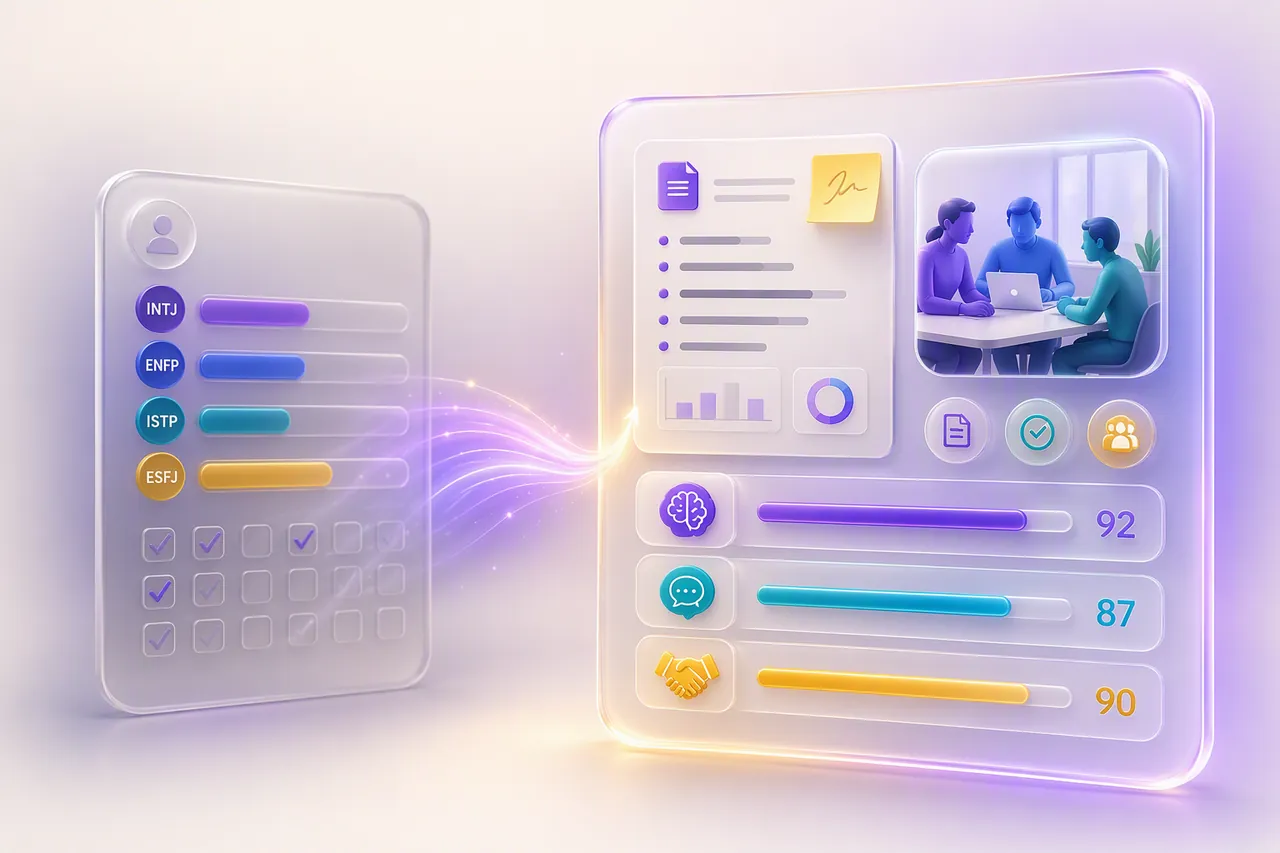
Soft skills now account for 85% of career success, far outweighing technical abilities. Research from Harvard, Carnegie, and Stanford highlights the critical role of communication, adaptability, and emotional intelligence in securing jobs, earning promotions, and leading teams. In an era shaped by Gen Z and AI, enhancing soft skills is essential for collaboration, innovation, and employee retention. Invest in developing your interpersonal skills to unlock greater professional growth and achieve lasting success.
Introduction
In today’s dynamic job landscape, the saying “skills get you hired, but soft skills get you promoted” resonates more deeply than ever. Research conducted by Harvard University, the Carnegie Foundation, and the Stanford Research Center found that 85% of job success is attributed to well-developed soft and people skills, while only 15% comes from technical skills and knowledge (hard skills). This striking figure underscores the indispensable role that interpersonal and intrapersonal abilities play - not just in landing a job, but in propelling your career to new heights and opening doors to leadership roles.
Despite originating over a century ago, the importance of soft skills remains as relevant as ever, particularly in today’s rapidly evolving workplaces shaped by Gen Z and advancements in AI.
While the statistics clearly highlight the dominance of soft skills in career success, it’s crucial to understand the underlying data and address the existing gaps in our current educational and professional frameworks.
A Paradigm Shift: Embracing Soft Over Technical Skills
As technology advances and automation reshapes the workplace, technical skills remain crucial. However, the emphasis is increasingly shifting towards soft skills. Employers today seek professionals who can adeptly navigate complex social dynamics, adapt to rapid changes, and foster collaborative success. This transition underscores a fundamental truth: while technical prowess can be taught, soft skills are inherent to an individual’s capacity to excel within a team and contribute meaningfully to an organization’s culture and goals.
Consider John, a talented marketing specialist known for his innovative campaigns. Despite his creativity, he often missed deadlines due to poor time management. Recognizing this challenge, John focused on enhancing his organizational skills. As a result, he not only streamlined his campaign delivery but also positioned himself as a reliable team member, ultimately earning a leadership role where he could inspire and guide others in achieving project success.
Or consider Emily, a project manager in the construction industry who excelled in technical planning but struggled with team motivation. By developing her inspirational and accountability skills, she improved project outcomes and fostered a more engaged and productive team.
Empowering Your Organization Through Soft Skills Development
The revelation that soft skills account for 85% of career success is more than just a statistic - it’s a compelling call to action for decision-makers and managers to invest in the personal development of their teams beyond technical competencies. Consider the examples of John and Emily from the previous section: John's improvement in organizational skills not only made his innovative marketing campaigns more effective but also allowed him to manage projects more efficiently. Similarly, Emily's enhanced inspirational and accountability skills transformed her technical planning prowess into successful team leadership and motivated project outcomes.
Just as you regularly update your organizational processes and technologies to improve efficiency and security, consider "updating" your workforce by continuously developing their soft skills. By supporting employees like John and Emily in honing their cognitive abilities, communication, leadership, work ethic, problem-solving, and teamwork, you enable them to leverage their hard skills more effectively. This holistic development unlocks the full potential of your employees, allowing them to apply their technical expertise within a framework of strong interpersonal capabilities.
Investing in soft skills development fosters an environment where technical talents can thrive alongside enhanced collaboration and innovation. This synergy drives individual performance and propels the entire organization toward remarkable milestones. Embrace the power of soft skills development, invest in your team's growth regularly, and watch as your organization soars to new heights, achieving sustained success and a competitive edge in the marketplace.
Decoding the 85%: The Pillars of Soft Skills
Based on extensive research and analysis, WiseWorld.ai has identified 44 crucial soft skills. Here, we highlight 12 of these skills, grouped into six core categories, to provide a strategic framework for professionals aiming to enhance their capabilities:
- Critical Thinking & Problem-Solving: The engines of innovation and effective decision-making.
- Adaptability: The ability to learn and evolve in ever-changing environments.
- Conflict Resolution: Conveying ideas succinctly and effectively.
- Active Listening & Empathy: Building strong, meaningful connections with colleagues and clients.
- Initiative: Guiding teams with vision and confidence.
- Accountability: Fostering a culture of responsibility and trust.
- Dependability & Time Management: Ensuring consistent performance and reliability.
- Resilience: Overcoming challenges with determination and perseverance.
- Creative Thinking: Navigating complex issues with innovative solutions.
- Decisive Judgment: Making informed decisions swiftly and effectively.
- Collaboration & Coordination: Building cohesive teams that achieve collective goals.
- Conflict Resolution: Harmonizing diverse perspectives to maintain team unity.
The Timeless Importance of Soft Skills
From the dawn of human civilization, soft skills have been the bedrock of our survival and advancement. Tens of thousands of years ago, our ancestors relied on effective communication, collaboration, and emotional intelligence to build cohesive tribes, secure shelter, and navigate the challenges of their environment. Those who excelled in these interpersonal abilities could forge alliances, find safe havens, and ensure the well-being of their communities.
As societies evolved, the importance of soft skills became even more pronounced. In the workplace, particularly since the Industrial Revolution, there has been a growing recognition of the value of these skills in fostering teamwork, driving innovation, and leading effectively. Today, in an era marked by rapid technological change and globalization, soft skills are not just beneficial - they are essential.
The prominence of soft skills in career success statistics underscores several key reasons for their indispensable nature:
Enhanced Collaboration: In an era where remote work and cross-functional teams are the norm, the ability to collaborate seamlessly is paramount. Soft skills enable smooth interactions and synergy among diverse team members, fostering a productive and harmonious work environment.
Adaptability: The relentless pace of modern industries demands professionals who can swiftly adapt to new technologies, methodologies, and market conditions. Flexibility and a commitment to continuous learning are essential for staying relevant and driving innovation.
Leadership and Initiative: Organizations thrive on leaders who can inspire and guide their teams through uncertainty and change. Soft skills empower individuals to take initiative, make informed decisions, and lead with confidence, transforming challenges into opportunities.
Emotional Intelligence: Understanding and managing one’s own emotions, along with empathizing with others, cultivates a positive work environment. High emotional intelligence enhances interpersonal relationships, which are critical for both personal satisfaction and organizational success.
For instance, during a major organizational restructuring, leaders with high emotional intelligence can better support their teams, reducing stress and maintaining morale, thereby ensuring a smoother transition. In the tech industry, adaptability and problem-solving are crucial for innovation, while in healthcare, empathy and communication are essential for patient care. In the finance industry, analytical thinking and ethical judgment are crucial for maintaining trust and ensuring accurate decision-making.
Who Should Take Action?
Addressing the soft skills gap is essential for fostering a thriving, adaptable workforce. Different stakeholders - company leaders, recruiters, and educators - play unique roles in this endeavor. Understanding the specific challenges each group faces, supported by relevant data and statistics, can guide effective strategies and drive meaningful change.
For Company Managers and Decision-Makers:
Start integrating soft skills assessments into your hiring processes today to build stronger, more cohesive teams. By doing so, you can cut the headaches caused by bad hiring decisions and eliminate the hidden costs associated with them. Breaking this cycle not only saves time and resources but also enhances overall team performance and morale, leading to a more efficient and successful organization.
Challenges:
-
High Cost of Poor Hiring: According to the Society for Human Resource Management (SHRM), the average cost per hire increased from $4,129 in 2019 to $4,700 in 2023, marking a 14% rise.
-
Adapting to Technological Advancements: A McKinsey report highlights that 67% of companies plan to increase investment in AI and automation, requiring teams that can adapt and collaborate effectively.
Benefits of Focusing on Soft Skills:
-
Enhanced Team Cohesion: A LinkedIn study found that 92% of talent professionals and hiring managers consider soft skills equally or more important than hard skills when hiring.
-
Increased Innovation: Research by the Institute for Corporate Productivity (i4cp) indicates that organizations prioritizing soft skills see a 25% increase in innovation.
-
Improved Retention Rates: Gallup reports that employees with strong soft skills exhibit 23% higher engagement levels, leading to a 41% reduction in absenteeism and a 59% lower turnover rate.
Strategies:
-
Integrate Soft Skills into Hiring Processes: Utilize AI-driven assessment tools to evaluate candidates’ interpersonal abilities and cultural fit alongside their technical qualifications.
-
Develop Leadership Programs: Incorporate soft skills training into leadership development initiatives to cultivate a workforce capable of driving transformative growth. Programs focusing on emotional intelligence, effective communication, and adaptability can significantly enhance leadership capabilities.
Contribute Your Voice: What’s Your Take on Integrating Soft Skills?
As a company manager, you've likely felt the pain of dealing with the repercussions of bad hires and the hidden costs they bring. Perhaps these questions can help you reconsider your processes and inspire new approaches:
-
How can you refine your hiring strategies to prioritize soft skills without compromising technical expertise?
-
What initiatives can you implement to integrate soft skills into your leadership development programs?
For Recruiters:
The recruitment process, largely unchanged for decades, needs a fresh perspective. You know that something is missing - the human side of candidates that no CV can reveal. It's time to enhance your recruitment methodologies by incorporating behavioral assessments to identify candidates with essential soft skills. By focusing on the interpersonal qualities that aren't evident on paper, you can discover candidates who are not only technically qualified but also a perfect fit for your organization's culture and team dynamics.
Challenges:
-
Identifying the Right Candidates: Traditional recruitment metrics often overlook essential soft skills, leading to mismatches in team dynamics and job performance.
-
Evolving Recruitment Metrics: A 2023 LinkedIn The Future of Recruiting report, revealed that a whopping 94% of recruiting pros said that understanding employee skills is required to make informed talent decisions - though slightly less (84%) say it’s currently a priority at their company.
Benefits of Emphasizing Soft Skills:
-
Better Cultural Fit: A Harvard Business Review study found that 36% of new hires who experience a poor cultural fit leave their jobs within the first year. This can cost organizations up to 30% of the employee's annual salary when factoring in recruitment, onboarding, and lost productivity.
-
Long-Term Success: Soft skills contribute to employees’ ability to adapt, collaborate, and grow within the organization, leading to sustained performance. Companies with high soft skills proficiency report a 15% increase in overall productivity.
-
Efficient Recruitment Processes: Effective soft skills assessments can streamline the recruitment process by identifying candidates who are not only technically qualified but also capable of thriving in the company’s dynamic environment.
Strategies:
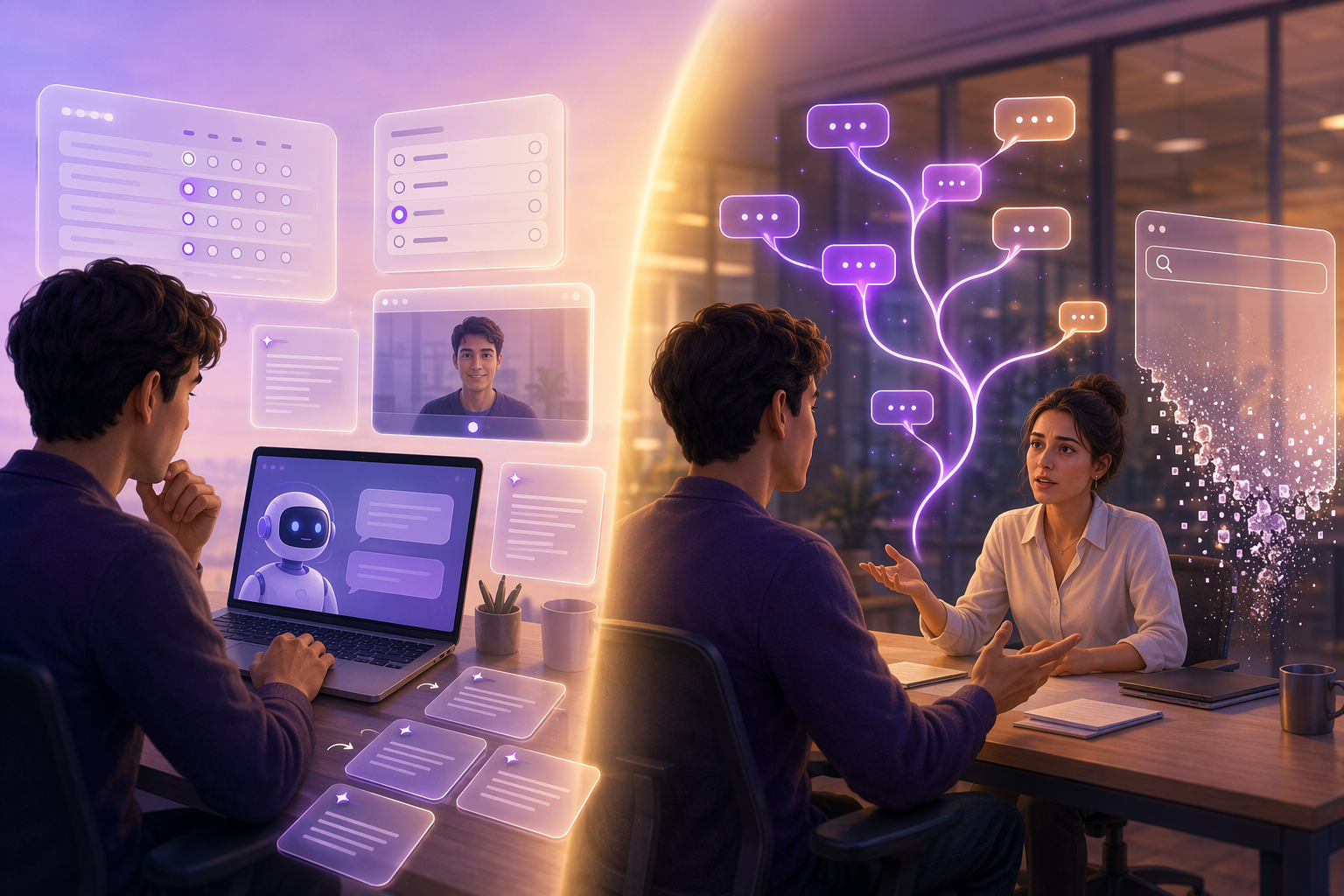
- Leverage AI-Powered Screening Tools: Utilize AI-driven platforms to assess candidates' soft skills through online assessments or simulations that can be administered at scale during the early stages of recruitment. These tools can evaluate communication styles, problem-solving approaches, and teamwork capabilities without the need for one-on-one interviews.
- Incorporate Soft Skills Questionnaires: Include targeted questions in the application process that prompt candidates to reflect on their experiences and demonstrate their soft skills. This method allows you to gather insights into their interpersonal abilities from the outset, filtering for candidates who possess the essential soft skills your organization values.
- Use Video Introductions: Request brief video submissions where candidates answer specific prompts related to soft skills. This approach provides a window into their communication abilities and personality, enabling you to assess these qualities without conducting individual interviews at the initial stage.
Share Your Ideas on Your Experience and Approach:
As a recruiter, you are at the forefront of building teams that drive organizational success. You understand the challenges of identifying candidates who not only meet technical requirements but also possess the essential soft skills that contribute to a harmonious and productive workplace. To enhance your recruitment methodologies and address the human side of candidates that CVs often miss, consider the following questions:
-
How can you enhance your recruitment methodologies to better identify candidates with essential soft skills?
-
In what ways can you balance technical proficiency with emotional intelligence and teamwork capabilities in your hiring strategy?
For University Professors and Educators
You have likely experimented with various solutions - workshops, courses, and seminars - to enhance your curriculum and prepare students for the evolving job market. However, you may have noticed that these approaches often aren't enough. They might fail to capture students' attention or prove to be temporary fixes without providing actionable steps for sustained development.
Challenges:
-
Soft Skills Gap and the Role of Education: According to the World Economic Forum’s Future of Jobs report, the top 10 skills needed for workers to thrive in the current and future job market are part of the Soft Skills.
-
Preparing Students for a Changing Job Market: Forbes, projects that by 2025, while 85 million jobs may be displaced by automation, an impressive 97 million new roles are expected to emerge, reflecting a shift in the division of labor between humans, machines, and algorithms.
Benefits of Integrating Soft Skills into Curriculum:
-
Better Prepared Graduates: Nearly 90% of employers responding to the Job Outlook 2024 survey indicated they are seeking evidence of a student’s ability to solve problems and nearly 80% are seeking candidates who have strong teamwork skills, according to the National Association of Colleges and Employers (NACE).
-
Enhanced Employability: For instance, it is anticipated that 56% of employers will require employees to possess soft skills by 2025, increasing to 61% by 2030 and 64% by 2035.
-
Fostering Lifelong Learning: Emphasizing soft skills encourages continuous personal and professional development, essential for career growth and adaptability.
Strategies:
-
Leverage Customized AI-Based Solutions: Rather than relying solely on workshops or lectures, embrace modern tools like customized AI-based platforms and real-life simulations. These innovative technologies can provide interactive and immersive learning experiences that truly capture students' attention. AI-driven simulations allow students to engage in realistic scenarios that develop their soft skills - such as communication, teamwork, and problem-solving - in a safe, controlled environment. By integrating these cutting-edge tools into your curriculum, you offer actionable, long-term solutions that are more effective than traditional methods. This approach not only addresses the limitations of previous strategies but also ensures your students are well-equipped for the evolving job market.
-
Establish Long-Term Industry Partnerships: Develop sustained partnerships with industry professionals to provide mentorship, internships, and practical experiences. These collaborations offer students actionable steps toward their career goals and demonstrate the real-world applications of their studies.
Share your ideas on What are your experience and approach:
As educators, you bear the profound responsibility of preparing students not just academically but also for the real-world challenges they'll face in their careers. Have you considered that by not fully integrating soft skills development into your curriculum, you might be sending graduates into the workforce unprepared for the interpersonal dynamics that are crucial for success? It's a disservice that could hinder their professional growth and impact their future workplaces negatively. It's time to reassess and enhance your approach to truly equip your students for the demands of the modern job market.
-
How can you seamlessly integrate soft skills development into your curriculum without detracting from academic rigor?
-
What methods can you adopt to ensure your students are adept at navigating the interpersonal dynamics of their future workplaces?
Cultivating Your Soft Skills: A Strategic Blueprint
Recognizing the importance of soft skills is only the beginning. To truly harness their power within your organization, a strategic approach to developing these skills among your team members is essential:
Organizational Assessment Evaluate the current soft skills landscape of your workforce through comprehensive and objective assessments. Employ advanced tools such as validated psychometric assessments, structured behavioral interviews, and competency-based evaluation frameworks to gain precise insights into the strengths and areas for improvement within your teams. Additionally, leverage AI-driven platforms that utilize data analytics and machine learning to objectively measure interpersonal abilities, emotional intelligence, and collaboration skills. Incorporating these accurate and objective-oriented solutions ensures reliable identification of specific soft skills gaps that need to be addressed, enabling targeted development initiatives and fostering a more competent and cohesive workforce.
Foster a Culture of Continuous Learning Encourage a mindset of continuous learning throughout your organization. Promote curiosity and openness to new ideas by providing opportunities for professional development. This can include workshops, seminars, and collaborative projects that emphasize soft skills like resilience, teamwork, and adaptability. By cultivating this culture, you enable your employees to adapt and improve continuously.
Implement Practical Training Programs Apply soft skills development in real-world organizational scenarios. Introduce customized AI-based solutions, such as realistic simulations and interactive modules, to provide hands-on experience. For example, leadership simulations can help managers refine their ability to navigate complex team dynamics, while communication modules can enhance interdepartmental collaboration.
Set Organizational Goals and Track Progress Establish clear, measurable goals for soft skills development within your teams. Regularly track progress through performance metrics and adjust your strategies to ensure continuous growth and improvement. Setting specific organizational targets, such as improving customer satisfaction scores through enhanced communication skills, can lead to significant advancements.
The Power of Soft Skills
Building a culture that values soft skills benefits individuals and transforms the entire organization. To encapsulate the profound impact of soft skills, consider the following inspiring words: As Maya Angelou wisely said, “People will forget what you said, people will forget what you did, but people will never forget how you made them feel.” This sentiment perfectly encapsulates the essence of soft skills - the ability to connect, inspire, and leave a lasting positive impact.
Strategic Integration with WiseWorld.ai
Leveraging modern tools like WiseWorld can be invaluable in supporting your organization's development journey. This AI-driven platform serves as a comprehensive tool from the hiring process, helping you onboard culture-fit candidates, to providing objective data during assessments to identify skill gaps. By using WiseWorld, you can seamlessly integrate the evaluation and development of soft skills into your workflows, ensuring that your team not only fits well culturally but also continuously improves. This results in actionable insights that enable better planning and targeted training, ultimately enhancing collaboration, leadership, and overall organizational excellence. Adopting innovative solutions like WiseWorld equips your employees with the essential soft skills needed to drive your company’s success.
Books As Resources
“Emotional Intelligence” by Daniel Goleman. Delves into the importance of understanding and managing your emotions, as well as recognizing and influencing the emotions of others, which is crucial for effective leadership and teamwork.
“Crucial Conversations” by Kerry Patterson, Joseph Grenny, Ron McMillan, and Al Switzler. Offers practical techniques for handling high-stakes conversations with confidence and skill, enhancing your ability to communicate clearly and resolve conflicts.
“How to Win Friends and Influence People” by Dale Carnegie. A timeless guide on building strong relationships and mastering effective communication, essential for fostering collaboration and leadership in any professional setting.
“Dare to Lead” by Brené Brown. Focuses on developing courageous leadership by embracing vulnerability, building trust, and creating a resilient organizational culture that can navigate challenges effectively.
“Mindset: The New Psychology of Success” by Carol S. Dweck. Explores the transformative power of adopting a growth mindset, encouraging continuous learning and adaptability to achieve personal and professional success.
More in HR



Latest on the blog